
Tahiti FAQs
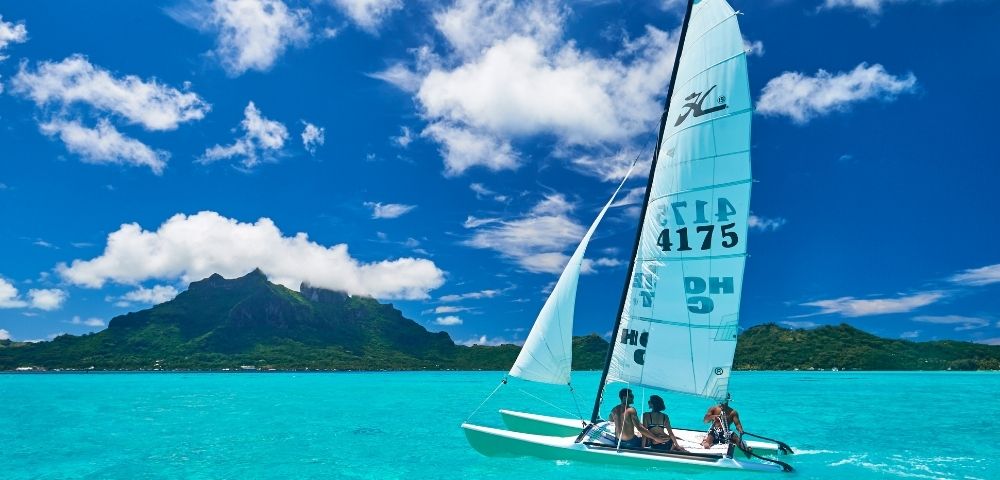
Tahiti is a favoured destination year-round thanks to its warm tropical climate. The dry season from May to October offers sunny weather, lower humidity and ideal conditions for outdoor adventures, while the wetter months from November to April bring lush landscapes, warmer temperatures and fewer crowds.
Australian citizens generally do not require a visa for short tourist stays in French Polynesia. However, entry requirements can change, so it’s important to ensure your passport is valid for at least six months beyond your travel dates and check the latest requirements through Sherpa or official government sources before departure.
The official currency of French Polynesia is the French Pacific Franc (XPF), also known as CFP Franc. Credit cards are widely accepted at resorts, restaurants and larger businesses, though carrying some cash for smaller purchases is recommended.
Dial 15 for medical emergencies, 17 for police assistance or 18 for fire services. Most resorts and hotels can also assist travellers with emergency support and local guidance. Comprehensive travel insurance is strongly recommended before travelling.
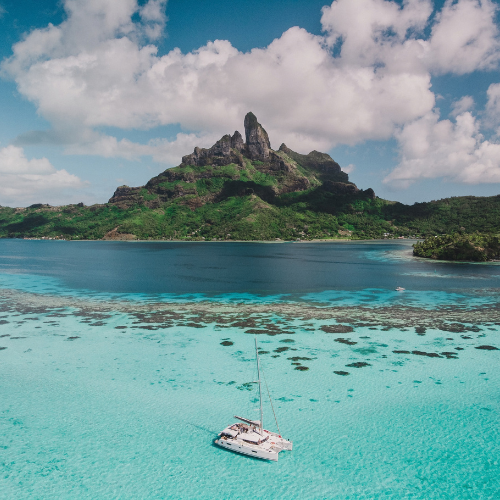
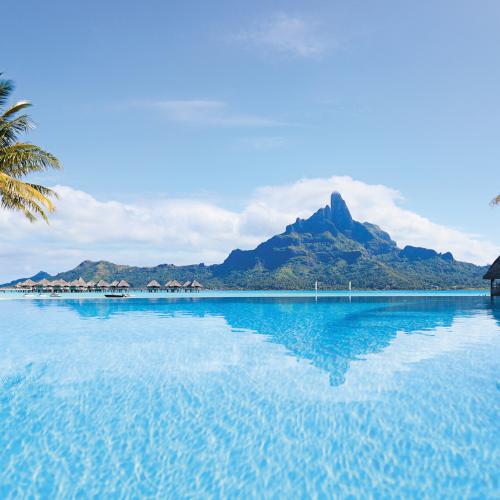
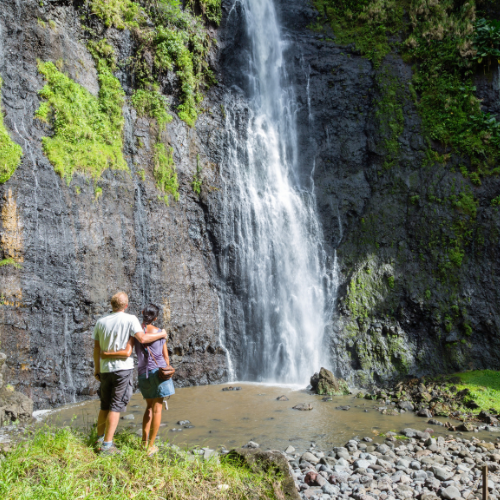
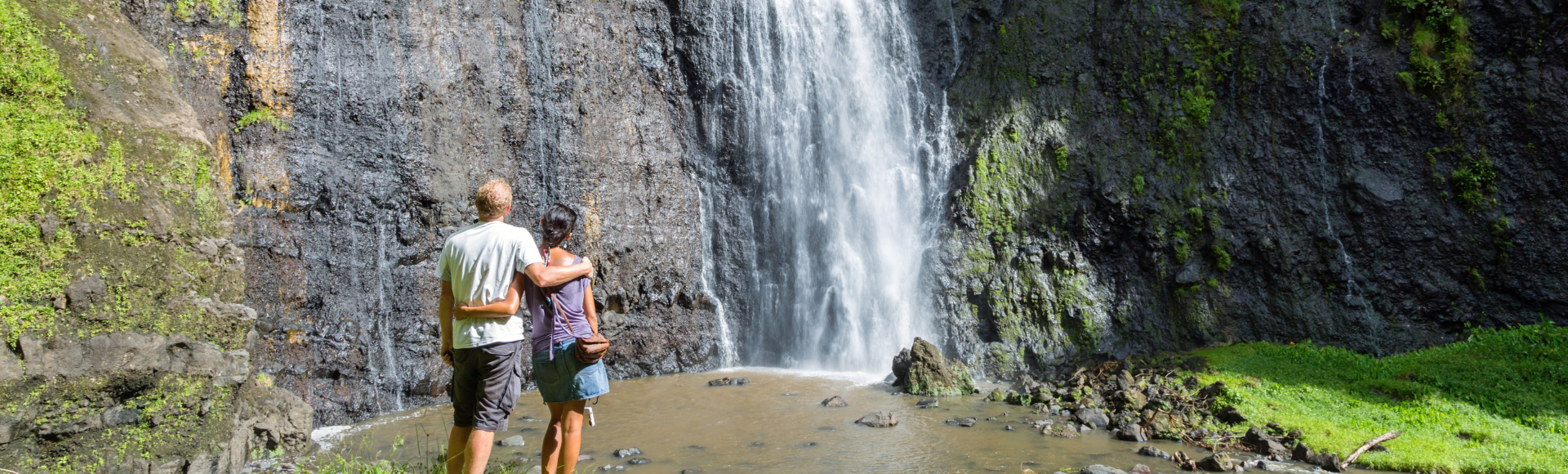
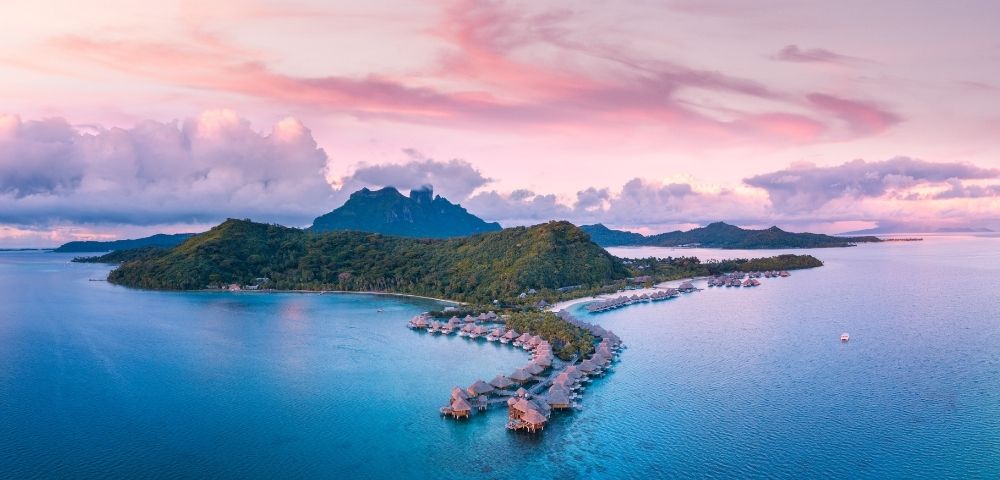
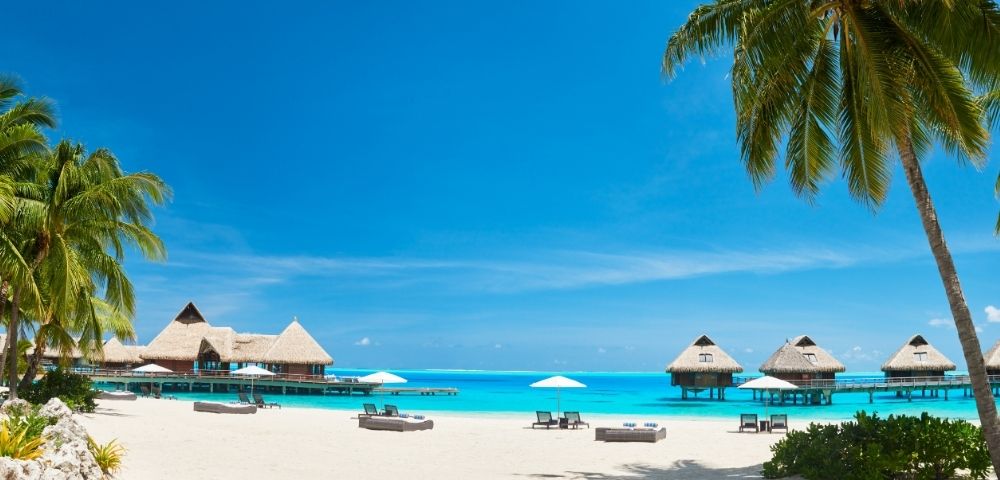
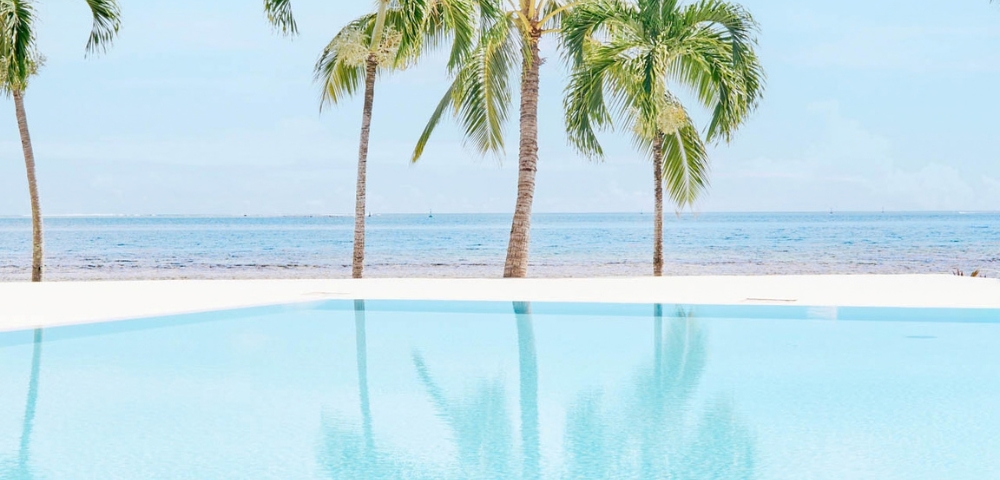
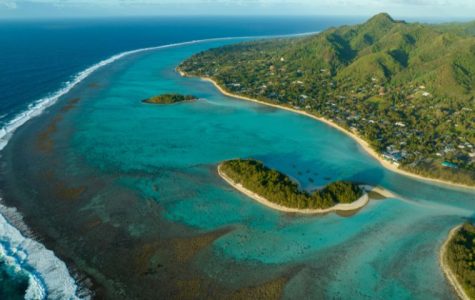
Each region of Tahiti offers something different. Papeete is ideal for shopping, dining and cultural experiences, while the island’s east and west coasts reveal dramatic black-sand beaches, waterfalls and sweeping ocean views. Venture inland to discover lush rainforests, volcanic landscapes and scenic hiking trails, or simply relax along the coastline and soak up the island’s laidback atmosphere.